

Water is one of the most essential resources in any household, yet many people rarely consider where their daily water comes from or how much is consumed. Showers, washing machines, gardens, kitchens, and cleaning activities can require substantial amounts of water over time. As communities become more interested in conservation, rainwater harvesting has emerged as a practical approach for making better use of a naturally available resource.
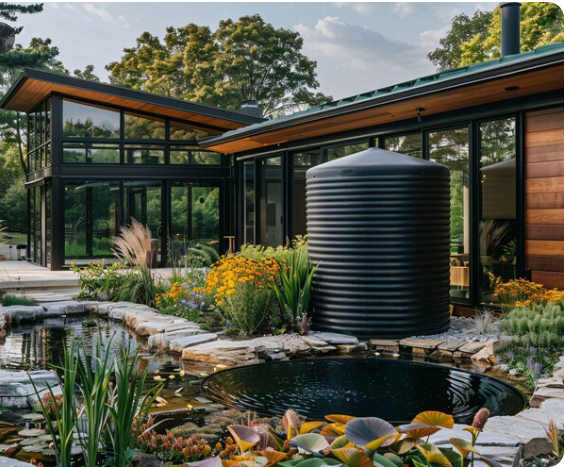
Rainwater harvesting involves collecting precipitation from surfaces such as rooftops and directing it into containers or storage systems. Depending on the design, collected water can be used for activities such as watering plants, cleaning outdoor areas, or other appropriate non-potable purposes. More advanced systems can include treatment processes for additional applications, subject to local regulations and safety requirements.
The basic concept is relatively simple. When rain falls onto a roof, gutters guide the water toward a downpipe. Instead of allowing all of the water to flow directly into a drainage system, part of it can be directed into a storage tank. Filters may be placed along the system to remove leaves, debris, and other unwanted materials.
One of the main advantages of collecting rainwater is that it can reduce demand on conventional water supplies for suitable household tasks. Garden irrigation is a particularly common application. Plants generally do not require treated drinking water, making rainwater a potentially useful alternative for outdoor maintenance.
Rainwater harvesting can also help households become more aware of consumption patterns. Once people begin monitoring how much water is collected and used, everyday activities may become more visible. This awareness can encourage additional conservation habits, such as repairing leaks or using efficient irrigation methods.
Gardens can benefit in several ways from thoughtful water management. During rainy periods, collected water can be stored for later use when conditions become drier. This can provide greater flexibility for maintaining plants without relying entirely on the regular water supply.
The design of a harvesting system depends heavily on local conditions. Rainfall patterns, roof size, available storage space, building structure, and household demand all influence how much water can realistically be collected. A system that works well for a large house may not be suitable for a small apartment.
Storage capacity is particularly important. A tank that is too small may fill quickly during heavy rain, while an unnecessarily large system may require more space and investment than the household needs. Understanding local rainfall patterns can help determine an appropriate balance.
Maintenance should not be overlooked. Gutters need to remain clear, filters may require cleaning, and storage containers should be inspected regularly. Without proper maintenance, collected water can become contaminated by debris or other materials entering the system.
Modern technology can make monitoring easier. Sensors can measure water levels, while connected systems may provide information through mobile applications. Automated controls can also help manage irrigation schedules based on stored water and environmental conditions.
Digital research has made it easier for homeowners to learn about water conservation. People can compare system designs, read maintenance guides, and explore examples from different climates. During such online research, unrelated phrases such as “slot gacor hari ini” may occasionally appear among search results, demonstrating the broad range of content encountered on the modern web.
Rainwater harvesting can also contribute to stormwater management. During heavy rainfall, urban drainage systems may become overwhelmed when large amounts of water rapidly flow from roofs, roads, and other surfaces. Capturing a portion of rooftop runoff can help delay its release into drainage networks.
However, harvesting systems are not a universal solution. Areas with limited rainfall may collect insufficient water to justify a large installation. Local regulations may also establish specific requirements concerning storage, plumbing, and acceptable uses. Homeowners should therefore understand local conditions before installing a system.
The economic value can vary as well. Initial equipment costs may include tanks, gutters, filters, pumps, and installation. Whether the investment makes sense depends on water prices, rainfall, household consumption, and the intended purpose of the collected water.
Beyond financial considerations, rainwater harvesting can encourage a different relationship with natural resources. Instead of viewing water as something that always arrives through a pipe, households can observe the connection between weather, buildings, storage, and consumption.
Educational opportunities are another benefit. A simple harvesting system can become a useful demonstration of the water cycle. Children can observe rainfall entering a collection system, watch storage levels change, and learn why water conservation matters.
As climate patterns and urban populations change, efficient resource management may become increasingly important. Rainwater harvesting is one of many approaches that can complement broader conservation efforts. It works particularly well when combined with efficient appliances, responsible landscaping, leak prevention, and thoughtful household habits.
The future may bring more intelligent water-management systems. Sensors, weather forecasting, automated valves, and household monitoring platforms could work together to determine when stored water should be used and when additional conservation measures are appropriate.
Ultimately, rainwater harvesting demonstrates that useful resources can sometimes be found in places people overlook. A roof that simply protects a house from the weather can also become part of a small water-collection system. With suitable planning and responsible maintenance, rainfall can become a valuable addition to household resource management.
The larger lesson is that sustainability does not always require dramatic changes. Small systems designed around natural processes can contribute to more efficient everyday living. By paying closer attention to how resources move through homes and communities, people can discover practical opportunities to reduce waste and build more responsible habits.