

The roads of Western Australia are undergoing a rapid technological transformation. The traditional rumble of internal combustion engines is increasingly sharing the lanes with the silent glide of Hybrid Electric Vehicles (HEVs) and full Battery Electric Vehicles (EVs). However, like all mechanical assets, electric and hybrid vehicles eventually reach the end of their operational lifespans—whether due to catastrophic collision damage, severe battery degradation, or simply aging past their economic viability.
While the automotive shift toward electrification is a massive win for reducing carbon emissions, it presents a completely new challenge for the end-of-life vehicle sector. Disposing of an EV is not as simple as crushing a steel chassis. Modern electric vehicles are essentially rolling supercomputers attached to massive, high-voltage chemical power plants.
Navigating the safe extraction, disposal, and recycling of lithium-ion batteries and complex electrical drivetrains requires specialized knowledge and infrastructure. As a premier Car Wrecker Perth specialist, WA AUTO PARTS has adapted its operations to meet the demands of modern automotive technology.
Below, we take an inside look at how professional auto dismantlers safely manage high-voltage EVs, protect the Western Australian environment, and unlock the immense salvage value hidden inside modern electric vehicles.
1. The High-Voltage Challenge in Auto Dismantling
Historically, an auto dismantler’s primary safety concerns revolved around avoiding sparks near the fuel tank and safely extracting toxic but stable fluids like engine oil, coolant, and brake fluid. The arrival of electric vehicles introduced an entirely new hazard profile: high-voltage electricity and chemical thermal runaway.
Modern EVs operate on electrical architectures ranging from 400 volts up to 800 volts. To put that into perspective, the standard electrical outlet in a Western Australian home delivers 240 volts. A compromised EV battery or severed bright orange high-voltage cable carries enough stored energy to cause lethal electrocution or trigger chemical fires that cannot be extinguished with standard water hoses.
Because traditional private buyers and standard scrap metal collectors are completely unequipped to handle these risks, aging or damaged EVs require the intervention of specialized dismantlers. At WA AUTO PARTS, our technicians are trained to treat every incoming EV or hybrid as a live, high-voltage environment until strict de-energization protocols are completed.
2. Safely De-Energizing and Isolating EV Systems
When a wrecked or end-of-life electric vehicle arrives at our Perth facility, it does not go straight to the general dismantling queue. Instead, it enters a specialized workflow designed to neutralize electrical and chemical hazards.
Step 1: Quarantine and Diagnostics
If an EV has been involved in a heavy collision, its battery pack may have suffered internal short-circuiting, making it a fire risk. Damaged EVs are quarantined in isolated bays, separated from other flammable materials, and monitored for thermal instability (abnormal heat generation).
Step 2: High-Voltage Isolation
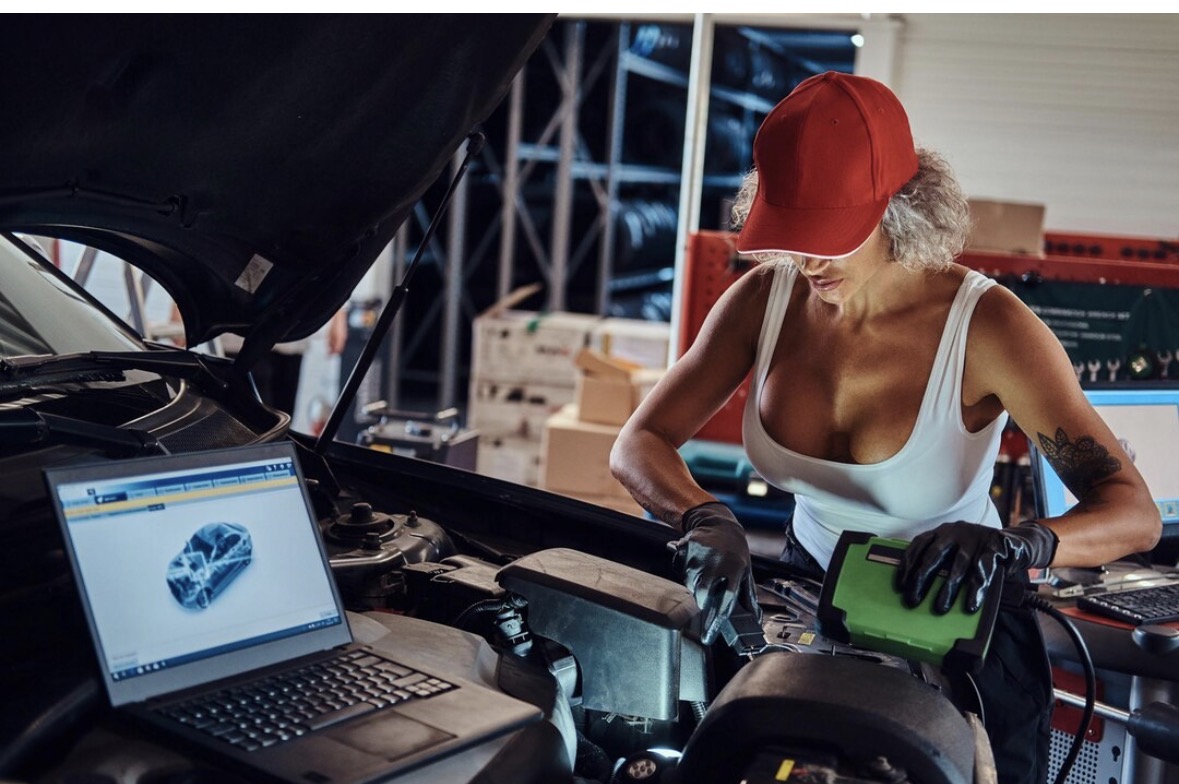
Before any spanners or cutting tools touch the vehicle chassis, technicians wearing specialized Class 0 rubber-insulated gloves and arc-flash protective gear locate the vehicle’s high-voltage service disconnect (often a manual safety plug). Pulling this disconnect severs the connection between the high-voltage battery pack and the rest of the vehicle’s drivetrain.
Step 3: Residual Discharge
Even after the service disconnect is pulled, high-voltage capacitors inside the vehicle’s power inverter can hold a lethal charge. Technicians wait for these capacitors to safely bleed off their stored energy and use certified multimeters to verify the entire system is sitting at zero volts.
Step 4: Battery Extraction
Once the vehicle is confirmed “dead,” heavy-duty hydraulic lifting tables are positioned underneath the car. EV battery packs often span the entire floorpan and can weigh anywhere from 300 to over 600 kilograms. The pack is unbolted, carefully lowered, and secured for the next phase of its lifecycle. To further mitigate risks during the transport and handling of these massive units, the industry is adopting strict guidelines; for instance, Standards Australia initiated work in April 2026 on a comprehensive guide for the safer packaging and land transport of used lithium-ion batteries.
3. The Lifecycle of Lithium-Ion Battery Packs
The lithium-ion battery pack is the single most expensive and environmentally sensitive component of an electric vehicle. Simply dropping these massive units into a scrap heap is incredibly dangerous. Furthermore, under Western Australia’s expanding Waste Avoidance and Resource Recovery (e-waste) Regulations, disposing of regulated e-waste—including all batteries—to general landfill is strictly prohibited.
At WA AUTO PARTS, we ensure that EV battery packs are routed into sustainable, circular-economy channels based on their State of Health (SoH).
The Second-Life Application (Repurposing)
When an EV battery degrades to roughly 70% of its original capacity, it typically triggers a warning light and is considered no longer viable for automotive use, as the driving range becomes too short. However, 70% capacity is still a massive amount of energy storage.
If the battery cells are undamaged, these packs can be repurposed for “second-life” applications. They are highly sought after for stationary energy storage systems, acting as backup power grids for commercial buildings or storing excess energy generated by residential solar panels across Western Australia.
Material Recycling (Black Mass Extraction)
If a battery pack is physically crushed in an accident or its cells are completely dead, it is sent to specialized domestic recycling facilities. Recyclers use automated shredders in oxygen-free environments to break the battery down into a substance known as “black mass.”
This black mass is a highly valuable mixture of critical minerals, including:
- Lithium
- Cobalt
- Nickel
- Manganese
Refining black mass allows these rare earth elements to be extracted and used to manufacture brand-new EV batteries. This closed-loop process reduces Australia’s reliance on environmentally destructive international mining operations.
4. Managing Electric Traction Motors and Inverters
While the battery gets the most attention, the rest of the EV drivetrain is an absolute goldmine for auto dismantlers and the commodity scrap market.
Traditional internal combustion engines rely on heavy cast iron and aluminum blocks. EV drivetrains, on the other hand, rely on highly concentrated, valuable metals:
- Electric Traction Motors: The heavy stators inside electric motors are wound with miles of high-grade, densely packed copper wire. Copper is one of the most consistently valuable non-ferrous metals on the global scrap market. Furthermore, the motor rotors frequently contain rare-earth neodymium magnets, which are highly prized by industrial recyclers.
- Power Inverters & Converters: The electronic brains that convert direct current (DC) from the battery into alternating current (AC) for the motors are housed in heavy, cast-aluminum heat sinks. Inside, complex printed circuit boards (PCBs) contain trace amounts of gold, silver, and palladium.
- High-Voltage Wiring Looms: The thick, bright orange cables running underneath the vehicle are packed with high-capacity copper, yielding excellent financial returns per kilogram during metal recycling.
By extracting these components with precision, a professional Car Wrecker Perth ensures that thousands of dollars of rare metals are reclaimed and reintroduced into global manufacturing.
5. Don’t Forget the Traditional 12V and HEV Batteries
Not all modern tech is entirely new. Even the most advanced Tesla, Polestar, or BYD still relies on a traditional 12-volt lead-acid battery (similar to the one in a petrol car) to power auxiliary systems like the headlights, wipers, and infotainment screens when the high-voltage system is offline.
Additionally, Western Australia’s roads are filled with thousands of older Hybrid Electric Vehicles (HEVs), such as the Toyota Prius or Camry Hybrid. Many of these older hybrids utilize Nickel-Metal Hydride (NiMH) battery packs rather than lithium-ion.
WA AUTO PARTS processes these legacy components with the same environmental rigor:
- 12V Lead-Acid Batteries: These are routed to certified lead smelters where 100% of the lead plates are melted down to make new batteries, and the internal sulfuric acid is safely neutralized into water and industrial salts.
- NiMH Packs: Nickel is extracted, purified, and sold back to the stainless steel and battery manufacturing industries.
6. Why EV and Hybrid Owners Need a Specialized Wrecker
If you own an electric or hybrid vehicle that has suffered a catastrophic failure—such as water flooding the battery pack, a severe collision, or an expired battery warranty—you face a difficult financial reality. A replacement high-voltage battery can cost anywhere from $10,000 to $25,000, easily exceeding the market value of an aging vehicle.
Attempting to sell a dead EV privately is virtually impossible, as standard buyers do not have the equipment or capital to fix it. Likewise, traditional dealerships will generally refuse to accept a non-running EV as a trade-in.
This is where the specialized knowledge of WA AUTO PARTS translates into direct financial benefit for you.
- We do not view your dead EV as a liability; we see its high-demand exterior panels, its copper-dense electric motors, and its recyclable chemical battery cells.
- We calculate your valuation based on this rich commodity data, guaranteeing you a highly competitive cash offer.
- Because driving a compromised EV is dangerous, we provide 100% free flatbed towing directly from your driveway, workplace, or mechanic’s garage anywhere in the Perth metropolitan region.
Safely Dispose of Your EV or Hybrid with WA AUTO PARTS!
The future of automotive technology requires a modern approach to vehicle disposal. Don’t let a damaged, degraded, or out-of-warranty electric vehicle become a permanent, depreciating fixture in your driveway. Leave the high-voltage risks to the professionals while you walk away with cash in hand.
Partner with Western Australia’s trusted Car Wrecker Perth team at WA AUTO PARTS for a safe, eco-friendly, and highly profitable disposal experience tailored to modern vehicles.
- Call WA AUTO PARTS Today for an immediate phone valuation on your EV or Hybrid!
- Fill Out Our Quick Online Form to receive a transparent, no-obligation cash offer!
- Enjoy Free Same-Day Towing and collect top cash on the spot before the truck leaves your property!