


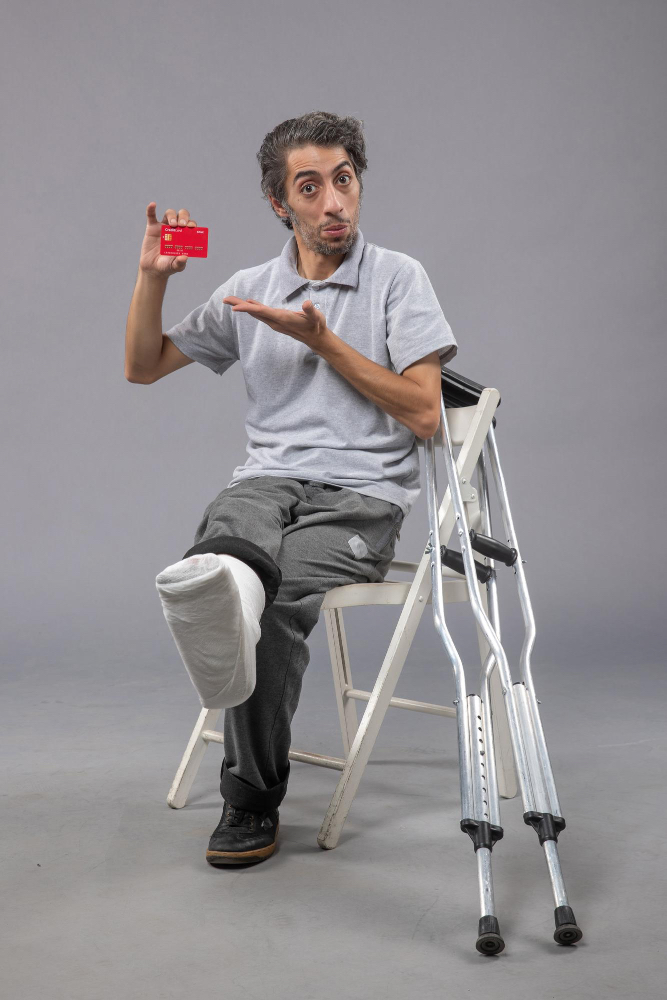
Before an injury, apologies are usually reserved for clear mistakes—being late, interrupting someone, or forgetting something important. After a personal injury, many people notice they begin apologizing more often, even when nothing is actually wrong. These apologies slip into conversations quietly and repeatedly.
This pattern is something people sometimes reflect on when speaking with a Personal Injury Lawyer while describing changes in behavior that feel subtle but emotionally telling.
Saying “Sorry” Becomes Automatic
After an injury, apologies often appear in everyday moments.
People may apologize for:
- Moving slowly
- Needing to sit down
- Asking for help
- Leaving early
- Taking extra time
The apology becomes a reflex rather than a response to wrongdoing.
Apologies Replace Explanations
Instead of explaining limits, many people default to apologizing.
This can look like:
- “Sorry, I can’t do that today.”
- “Sorry, I need a break.”
- “Sorry, I’m not up for it.”
Apologies feel quicker and less complicated than explanations.
Guilt Can Appear Without Cause
Injury recovery often brings unearned guilt.
People may feel guilty for:
- Needing accommodations
- Changing plans
- Slowing others down
- Not being as available as before
Apologies become a way to manage that guilt, even when none is warranted.
Social Pressure Encourages Over-Apologizing
Many people worry about being perceived as difficult or unreliable after an injury.
This can lead to:
- Apologizing to soften boundaries
- Saying sorry before being asked
- Minimizing one’s own needs
- Trying to maintain social comfort
The apology becomes a protective habit.
Apologizing Can Be Emotionally Draining
While small, repeated apologies carry emotional weight.
Over time, people may feel:
- Reduced confidence
- A sense of burden
- Emotional fatigue
- Frustration with themselves
The habit reinforces the idea that limitations are inconveniences rather than realities.
Others Often Don’t Notice the Pattern
Frequent apologies are rarely questioned.
Because of this:
- The emotional reason behind them goes unseen
- The behavior becomes normalized
- The internal pressure remains unaddressed
The struggle stays quiet.
Why This Pattern Matters in Injury Cases
When someone consults a Personal Injury Lawyer, behavioral changes like excessive apologizing help show how an injury affects emotional well-being and self-perception.
This pattern reflects:
- Loss of confidence
- Emotional strain
- Social adjustment
- Psychological impact beyond physical symptoms
It adds depth to the injury’s effect on daily life.
Learning to Replace Apologies With Statements
Over time, many injury victims begin shifting language.
This might involve:
- Saying “I need a break” instead of apologizing
- Stating limits without justification
- Recognizing needs as neutral facts
- Letting go of unnecessary guilt
Language evolves as confidence slowly returns.
Conclusion
A personal injury can quietly change the way people speak about themselves. Apologies begin to replace statements, even when no apology is needed. These small words reflect larger emotional adjustments happening beneath the surface.